
Turmeric
Turmeric
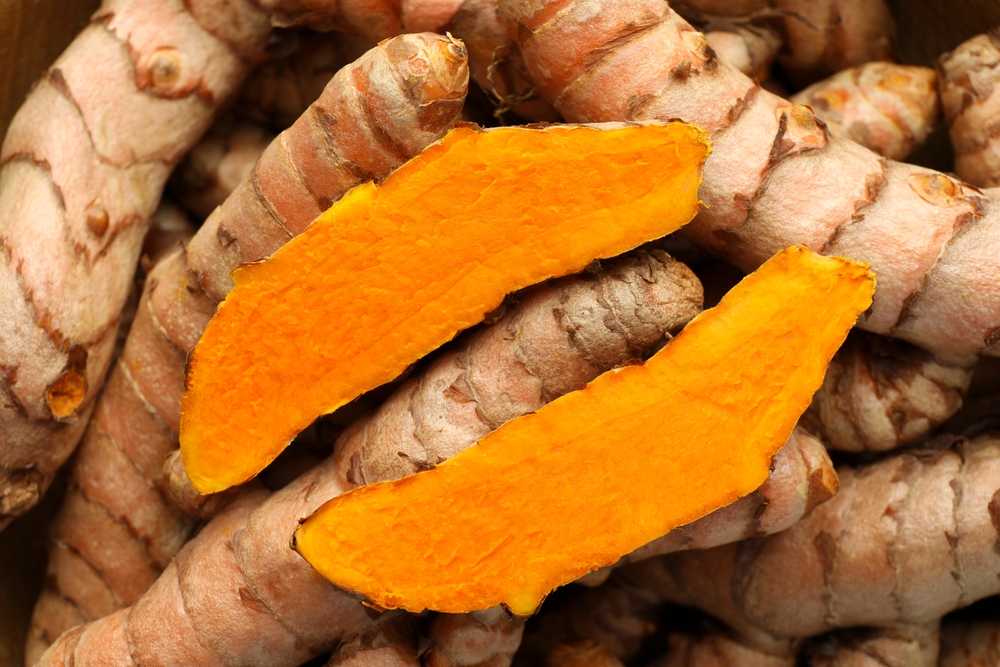
turmeric is a bright yellow-orange spice derived from the root (rhizome) of the plant Curcuma longa, which belongs to the ginger family. It has been widely used for thousands of years in South Asia, particularly in Indian cuisine, traditional medicine (such as Ayurveda), and cultural rituals. The active compound in turmeric is curcumin, which is responsible for both its vivid color and many of its potential health benefits. Curcumin is known for its anti-inflammatory and antioxidant properties, and it has been studied for its possible role in supporting joint health, digestion, immune function, and even brain health, though its bioavailability in the body is relatively low unless consumed with substances like black pepper (which contains piperine) that enhance absorption.
Culinarily, turmeric is a key ingredient in many dishes such as curries, soups, rice preparations, and sauces, contributing an earthy, slightly bitter flavor and warm aroma. Beyond food, it is also used as a natural dye and in cosmetics. In traditional medicine systems, turmeric has been used for wound healing, skin conditions, and digestive issues. While generally safe when consumed in normal dietary amounts, excessive intake in supplement form may cause side effects or interact with certain medications. Overall, turmeric is valued both as a culinary spice and a functional ingredient with potential health-promoting properties.