
Potato
Potato
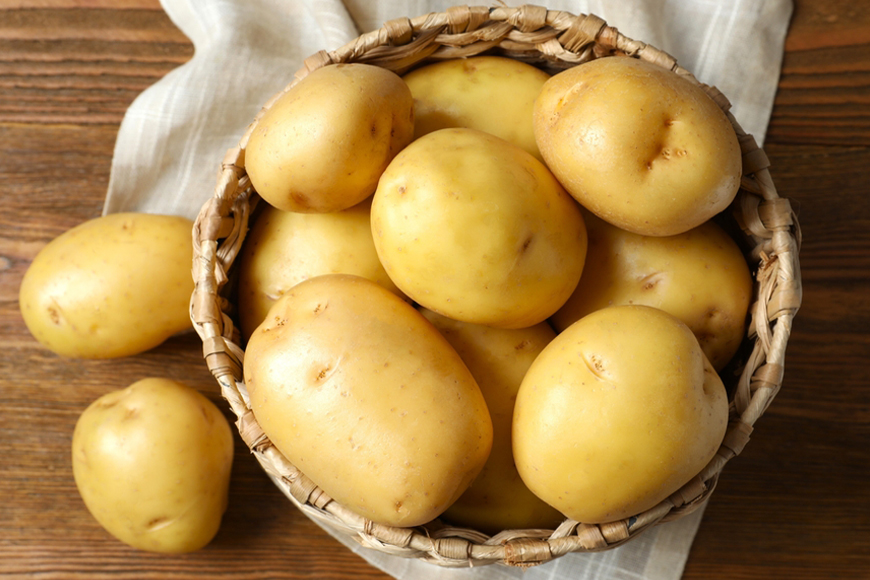
Potato is a starchy tuberous crop that belongs to the nightshade family (Solanaceae), which also includes tomatoes, eggplants, and peppers. Native to the Andean region of South America—particularly modern-day Peru and Bolivia—it was domesticated by Indigenous peoples over 7,000 years ago and later introduced to Europe in the 16th century following the Columbian exchange. Today, potatoes are one of the world’s most important staple foods due to their high yield, nutritional value, and adaptability to diverse climates. The edible portion is an underground stem tuber, rich in carbohydrates (mainly starch), along with vitamin C, vitamin B6, potassium, and small amounts of protein and fiber. Potatoes grow best in cool climates with well-drained, loose soil, and the plant itself produces green leaves and small white or purple flowers; however, the above-ground parts contain toxic compounds like solanine and are not edible.
Potatoes can be prepared in countless ways—boiled, baked, fried, mashed, or roasted—and are central to cuisines worldwide, from Indian aloo dishes to European staples like fries and gnocchi. Historically, the potato played a crucial role in population growth in Europe but also caused devastation during events like the Great Irish Famine, when crop failure led to widespread starvation. Beyond food, potatoes are also used industrially to produce starch, alcohol, and even biodegradable materials, highlighting their global economic and agricultural significance.