
Pineapple
Pineapple
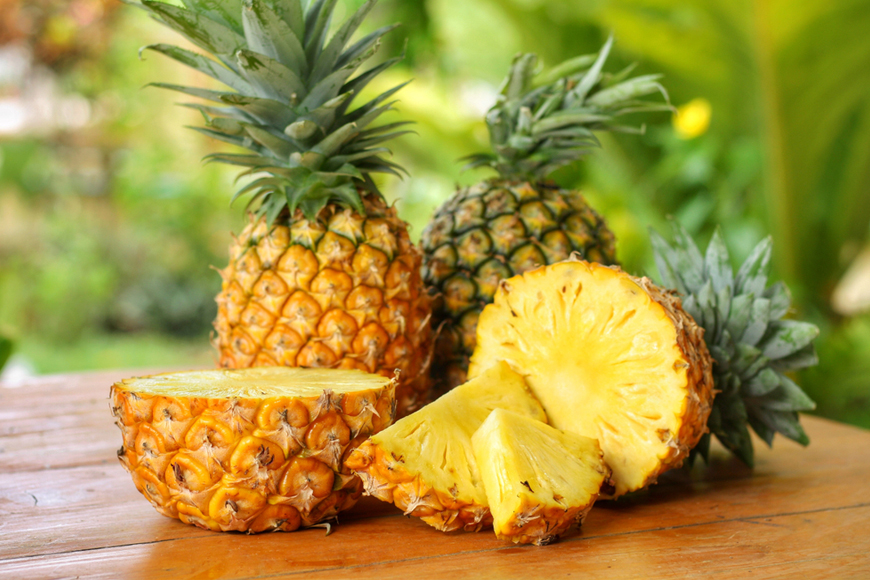
Pineapple is a tropical fruit scientifically known as Ananas comosus, native to South America—particularly the region of present-day Brazil and Paraguay—and later spread globally through trade and exploration. It is easily recognized by its rough, spiky outer skin, crown of stiff leaves, and sweet, juicy yellow flesh. Pineapple is highly nutritious, especially rich in vitamin C, manganese, and dietary fiber, while also providing smaller amounts of vitamin B6, copper, and antioxidants. A unique feature of pineapple is the presence of bromelain, a group of digestive enzymes that help break down proteins, support digestion, and may reduce inflammation and swelling. Due to its antioxidant content, including flavonoids and phenolic acids, pineapple is associated with strengthening the immune system and protecting cells from oxidative stress.
It is also linked to potential benefits such as improved digestion, reduced risk of chronic diseases, and faster recovery after physical exertion. Pineapple is widely consumed fresh, juiced, or cooked in a variety of dishes ranging from desserts and smoothies to savory meals, and it plays an important role in tropical agriculture, with major production in countries like Costa Rica, the Philippines, and India.